
Protect Your Projects For Years With UV Resistant Clear Resin
Sunlight is beautiful, yet it quietly destroys most craft coatings from the moment they set. Ordinary pours turn amber, cloudy, and brittle after only a season near a bright window. Our formula was built to defy that fate, holding its water white brilliance through years of daily light exposure. Whether you finish a river table, seal a treasured photograph, or shape delicate jewelry, this coating keeps the glassy shine you worked so hard to achieve. This page walks through the science, the technique, and the projects that benefit most, so your finest work stays flawless far into the future.
Longevity should never feel like a gamble. Many makers pour their heart into a piece only to watch it spoil within a year, a heartbreak this material was created to prevent. Read on, and you will see exactly how the right chemistry changes everything.

Clear Resin
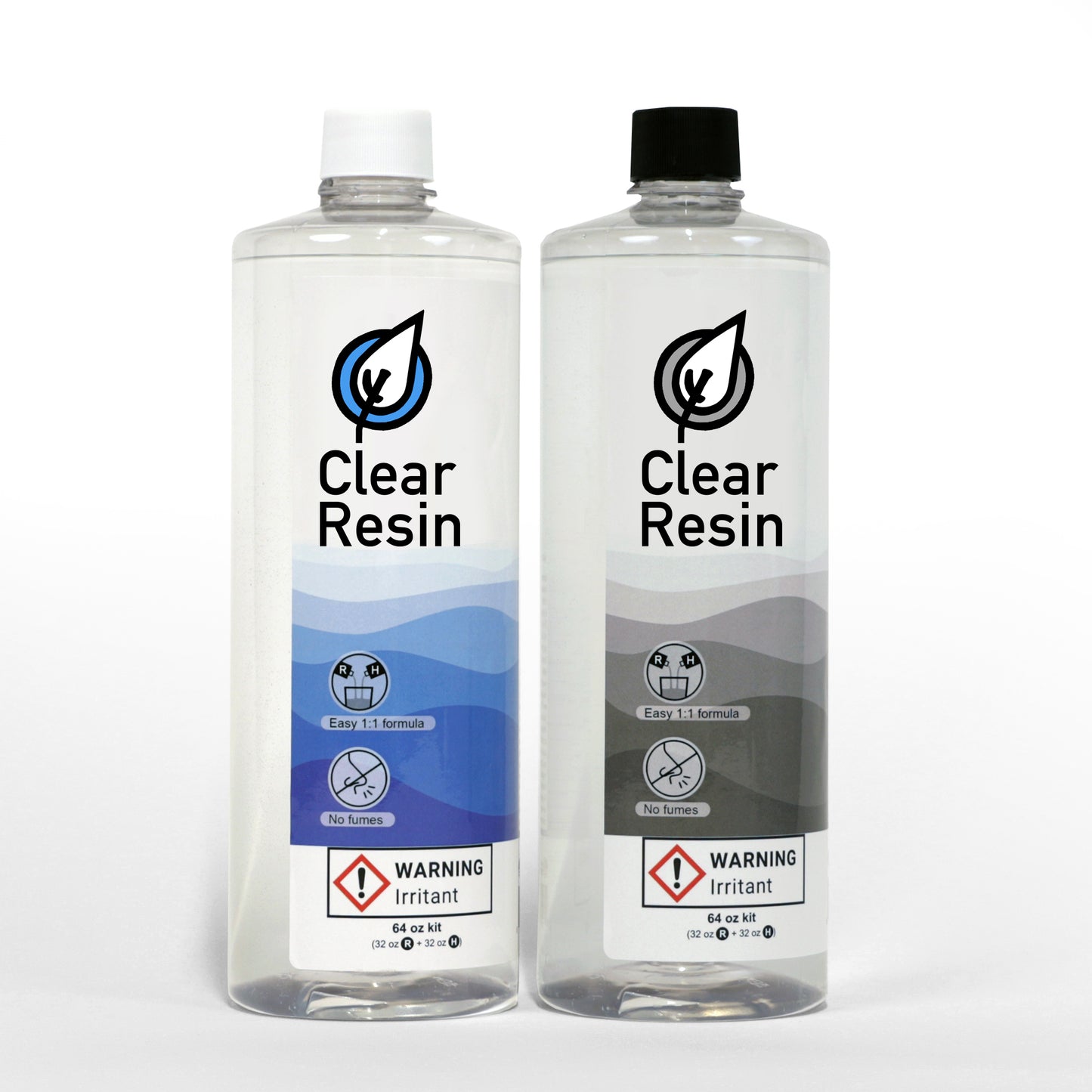
Clear Epoxy Resin Kit - 64 oz
Share

Why UV Resistance Matters So Much
Light is the hidden enemy of any transparent coating. A gorgeous pour can look perfect on day one, then betray you months later once the sun goes to work. Understanding that process helps you choose a material engineered to survive it, rather than one destined to disappoint. Knowledge here saves both money and grief.
What Sunlight Does To Ordinary Resin
Unprotected coatings absorb ultraviolet rays and slowly break down at the molecular level. The first visible sign is yellowing, a warm tint that muddies whites and dulls bright colors. Over time, that same degradation brings surface hazing, tiny cracks, and a chalky look nobody wants on display. Photographs fade, pale shades shift, and once vivid artwork loses the punch that made it special.
Chemistry explains the damage plainly. Ultraviolet energy snaps the bonds holding a polymer together, and each broken link nudges the surface toward brittleness. Warmth from direct sun accelerates the whole decline, which is why work by a south facing pane suffers fastest. Recognizing these warning signs early helps you understand why protection deserves priority.
How A Super-UV Inhibitor Guards Clarity
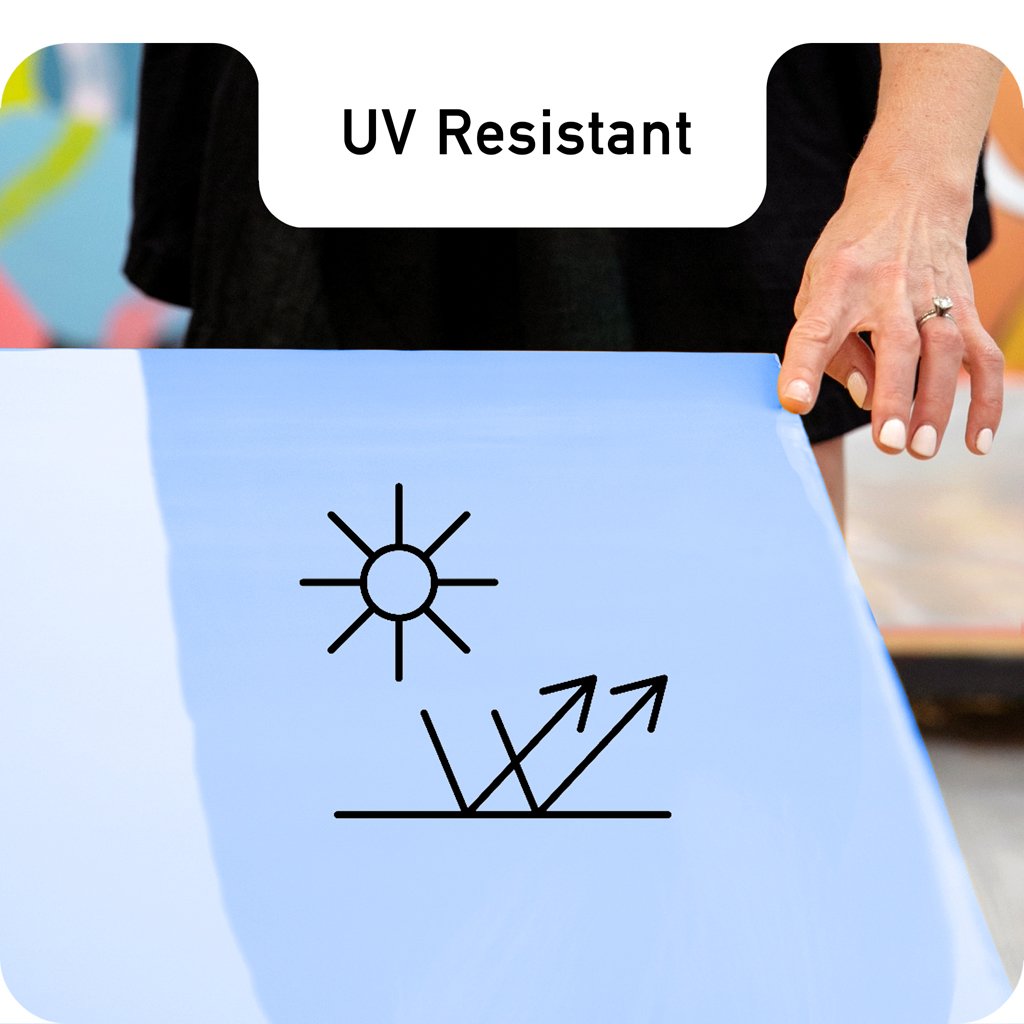
Real defense starts inside the bottle. Our epoxy carries a powerful uv inhibitor package that absorbs and neutralizes harmful rays before they can attack the polymer chains. That built in shield decides whether a piece ages gracefully or spoils quickly. Because protection is woven through the whole pour, not merely brushed across the top, every layer resists the light equally.
Think of that inhibitor as sunscreen blended right into the material. Rather than sitting on the surface where it can wear away, it works from within for the life of the piece. This integrated approach outlasts any topcoat you might add later. Durability of that kind gives real, lasting peace of mind.
Reliable Performance Indoors And Out
Different settings punish coatings in different ways. A sunny sill bathes objects in direct rays for hours, while covered patios and shaded rooms deliver gentler, steady exposure. This uv protected epoxy resin was designed to handle both, so a windowsill sculpture and a garden marker each hold their clarity. Confidence to place work anywhere is a quiet luxury few materials offer.
Outdoor pieces face extra trials beyond mere brightness. Rain, humidity, and temperature swings all test a finish alongside the sun, and a weak coating fails on several fronts at once. A resilient epoxy resin stands firm against that combined assault, keeping garden art and signage crisp season after season. Reliability outdoors expands where your creativity can travel.
What Sets This Formula Apart
Protection alone is not enough for serious makers; the finish has to dazzle too. Here the two qualities meet, pairing lasting defense with the kind of optical beauty that stops people mid step. Every property was tuned for both appearance and endurance, a balance surprisingly rare in this category.
A Crystal Clear, High Gloss Finish
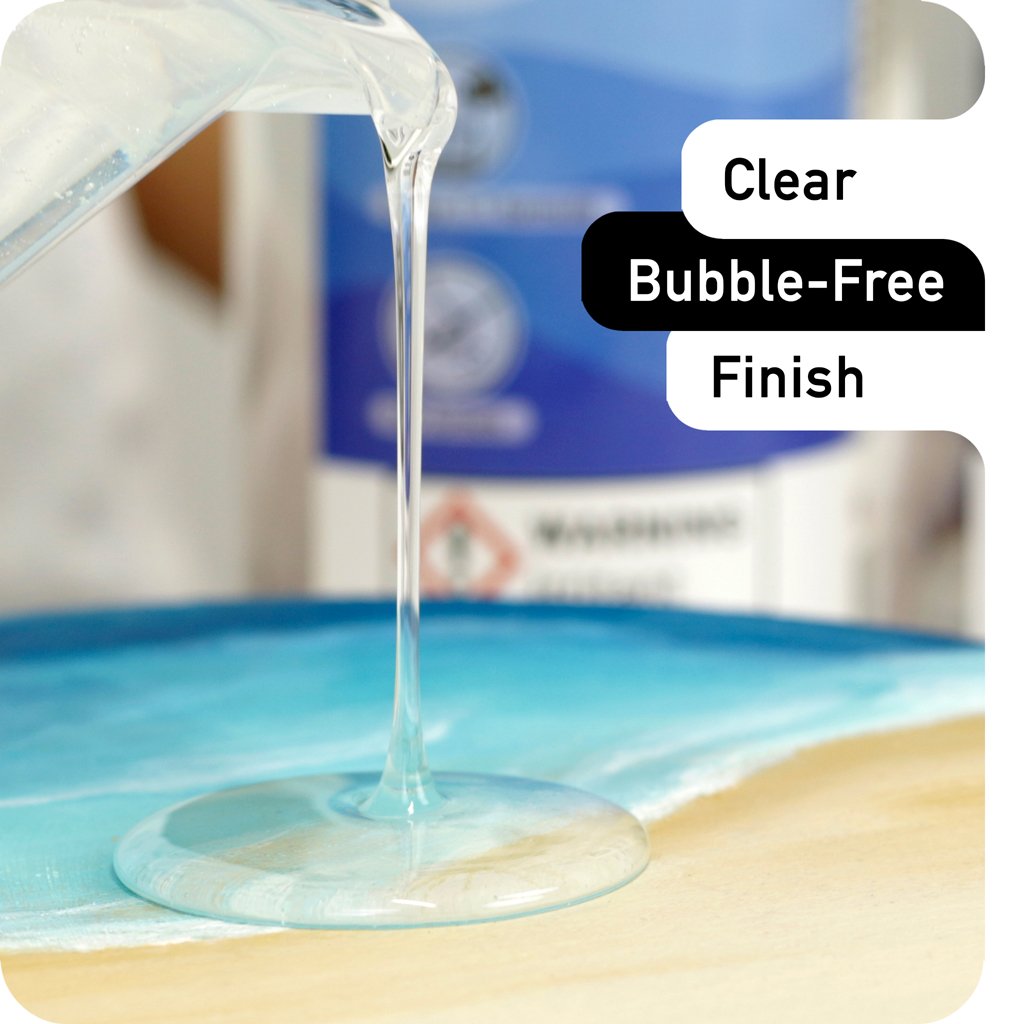
Optical purity defines a professional result. Our crystal clear pour hardens to a mirror bright surface that reveals every detail beneath, from wood grain to embedded blossoms. Light travels straight through the transparent body and bounces back, giving pieces a luminous, liquid glass quality. That crystal brilliance is exactly what elevates a homemade item into something gallery worthy.
Gloss also flatters color in a way matte coatings cannot. Deep tones gain richness, metallics catch the eye, and whites read as pure rather than dingy. Buyers respond instantly to that wet look sheen, even when they cannot name why a piece appeals. Presentation of this caliber turns browsers into customers.
Unbeatable UV Resistance Built In
Endurance is where this material truly shines. The formula shrugs off harsh rays, keeping its clarity long after weaker coatings surrender to the sun. You gain freedom to display creations in bright spaces without dreading the slow creep of discoloration. Longevity like this protects both your effort and the memories sealed inside each object.
Reputation rides on results that last. A commission that stays flawless for years earns referrals, while one that ambers within months invites complaints. Choosing a coating this resilient safeguards your name as much as your artwork. Trust, once earned through durable work, tends to compound over time.
Negligible Shrinkage And Rugged Strength
Dimensional stability matters more than beginners expect. This resin sets with almost no shrinkage, so edges stay crisp and embedded objects never distort as the chemistry finishes. The cured result is hard, scratch resistant, and tough enough for tabletops that face daily use. Strength and beauty rarely coexist so comfortably in a single pour.
Minimal movement also protects delicate inclusions. Pressed flowers, photos, and fine glitter stay exactly where you placed them, without the pulling or warping that ruins careful compositions. That reliability lets you plan intricate designs with confidence. Precision preserved is craftsmanship rewarded.
How To Use This UV Resistant Epoxy
Great results come from a friendly process, and this formula rewards care at every stage. A little preparation turns even a first attempt into a tidy, repeatable success. These steps cover the essentials without fuss or intimidation.
Mixing At A Precise 1:1 Ratio
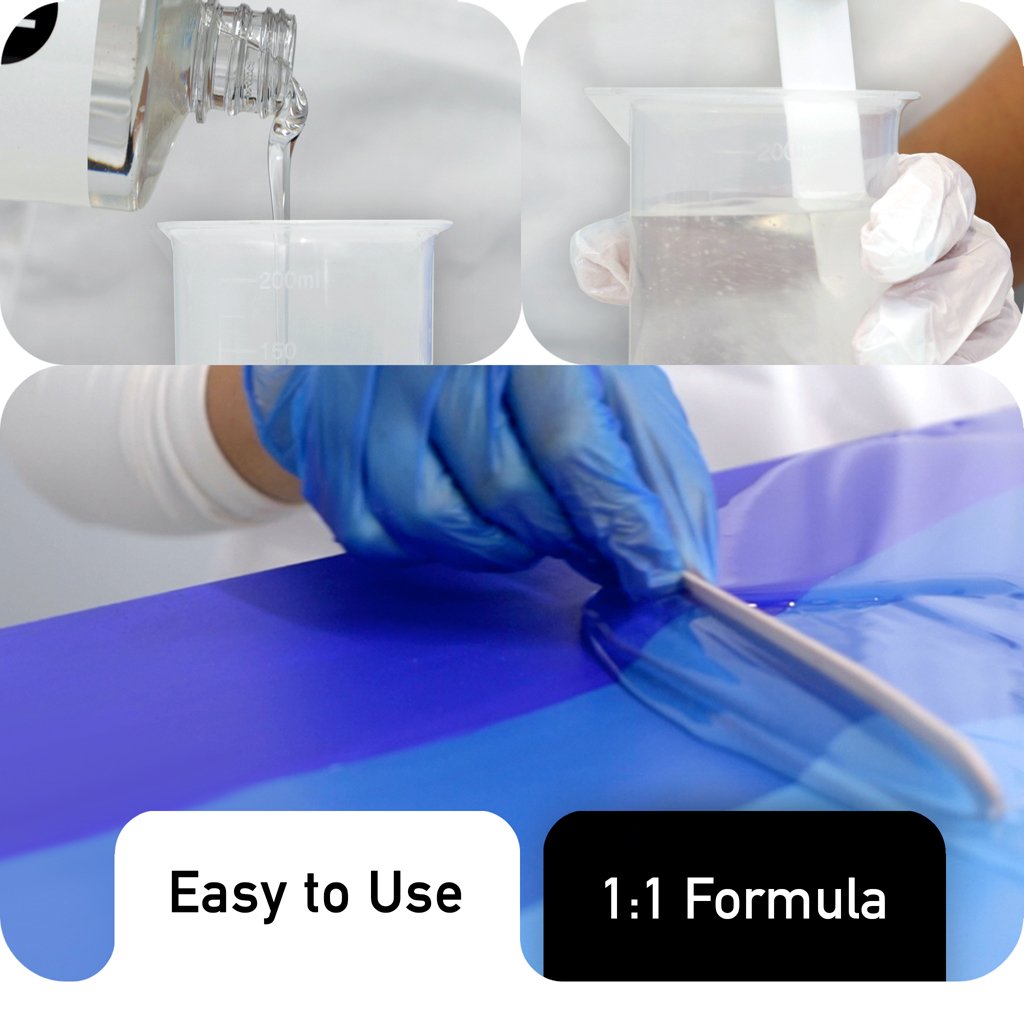
Accuracy underpins every strong outcome. Combine equal parts by volume, then stir slowly for several minutes while scraping the sides and bottom of the cup. Hurried blending traps air and leaves sticky patches, so patience pays real dividends. A balanced one to one recipe removes tricky math and keeps the chemistry dependable.
Temperature of your components plays a subtle role too. Slightly warm bottles flow more easily and release trapped air faster, though extreme heat shortens your working window. Aim for a comfortable studio climate, and the epoxy resin behaves predictably from pour to cure. Small habits like these separate frustrating batches from flawless ones.
Cures At Room Temperature, No Machine Needed
Simplicity is a genuine advantage here. Unlike thin coatings that harden only under a lamp, this epoxy sets fully on its own, requiring no curing machine or costly equipment. That means you can work in any comfortable space, pour when inspiration strikes, and let physics finish the job. Fewer tools translate directly into a lower barrier for newcomers.
Cost savings follow naturally from that simplicity. Skipping specialized gear frees your budget for molds, colorants, and raw material instead. Space savings help as well, since no bulky apparatus crowds your table. Accessibility of this kind welcomes hobbyists who might otherwise feel priced out of the craft.
Understanding The Resin Curing Timeline
Patience shapes the final quality. As the pour hardens, the surface turns dry to the touch within about a day, then keeps strengthening until it reaches full hardness near the seventy two hour mark. Keep the space warm and steady while it sets, since cold rooms slow the reaction dramatically. Waiting the whole window rewards you with a rock solid, glassy piece.
Resist the urge to rush unmolding or handling. A shape that still feels flexible simply needs more time, not more heat or fuss. Planning projects around this schedule prevents fingerprints, dust nibs, and warping. Good timing, more than anything, marks the difference between amateur and polished work.
Casting, Molds And Creative Freedom
Beyond flat coating, this material excels at three dimensional work. Depth, shape, and color all become tools in your hands once you grasp a few gentle techniques. Imagination truly sets the only real limit.
Dimensional work also invites happy accidents. A swirl that forms unexpectedly or a bubble caught just right can become the highlight of a finished piece. Embracing that unpredictability keeps the craft exciting long after the basics feel routine. Seasoned artists often chase these surprises deliberately, coaxing this epoxy into effects no rigid template could ever plan.
Pouring Into Silicone Molds
Flexible shapes unlock endless possibilities for any maker. Cured epoxy releases from flexible rubber cleanly, so you can cast pendants, coasters, and paperweights without a struggle. Add a thin, steady stream to limit trapped air, then warm the top briefly to lift surface bubbles. Careful casting into a well prepped mold yields smooth, ready to finish results.
Quality shapes make a noticeable difference in the outcome. A glossy interior transfers a shine that needs no sanding, while a scratched one leaves dull spots. Treat your tools kindly, storing them flat and clean, and they serve dozens of pours. Investment in good equipment repays itself many times over.
Adding Pigments And Custom Color
Color transforms a plain pour into a signature look. Mica powders, liquid tints, and dedicated pigments all blend in smoothly for marbled swirls or bold solid tones. Keep additives under six percent of the total volume so the cure stays firm and reliable. Restraint usually produces the most elegant, professional finish.
Layered tinting opens even richer effects. Pour a translucent base, let it firm slightly, then add a deeper shade above for genuine dimension. Combining opaque and see through tones creates depth that shifts as the viewer moves. Experimentation here is where a personal artistic voice really emerges.
Layering For Depth And Dimension
Thicker pieces reward a patient, staged approach. Rather than flooding a deep shape at once, build it in shallow passes and let each firm slightly before the next. This method prevents overheating and lets you suspend objects at varied heights. Floating a bloom or charm mid layer creates a magical, three dimensional effect flat pours cannot match.
Timing between coats deserves attention. Add a fresh layer while the one below feels tacky for a strong chemical bond, or wait fully and scuff the surface first. Either route works when done thoughtfully. Mastery of layering unlocks the most impressive, museum quality castings in your repertoire.
Projects That Stay Beautiful Anywhere
Versatility is a hallmark of a truly great coating. From large furniture to tiny keepsakes, the same reliable formula adapts to whatever you dream up. Sunlight stops being a threat and becomes simply part of the display.
Versatility also future proofs your skills. Techniques you master on a coaster transfer directly to a tabletop, and lessons from jewelry inform larger art. Growth compounds because the fundamentals hold steady, only the scale changes. That transferable knowledge makes every practice pour a real investment in whatever ambitious idea you tackle next.
Art Resin For Panels And Tables
Large surfaces demand a coating that lasts. As a dependable coating for artwork, this formula gives paintings, photo panels, and live edge tables a deep, protective gloss that withstands bright rooms for years. Self leveling flow smooths across wide areas evenly, minimizing ridges and pooling. Durable brilliance keeps statement furniture looking freshly finished long after installation.
Professionals appreciate the predictability on big jobs especially. A consistent pour means fewer surprises when covering an expensive slab or a client commission. Reliable behavior at scale protects both materials and reputation. Confidence on large work encourages you to accept bolder, more lucrative projects.
Jewelry, Coasters And Keepsakes
Small treasures deserve the same protection as big ones. Earrings, bangles, drink coasters, and pressed flower frames all benefit from a finish that refuses to amber. Because the cured surface resists water and light alike, these everyday pieces stay vibrant through constant handling. Little objects often become the most cherished gifts of all.
Selling small work carries practical perks as well. Lightweight items ship affordably, tempt impulse buyers at markets, and let you test fresh ideas without heavy outlay. A tray of varied earrings or magnets can showcase your whole range in one glance. Momentum from these quick wins frequently funds the bigger, bolder builds down the road.
Personal keepsakes gain lasting sentimental value here. A baby shoe saved, a wedding bloom kept, or a pet tag sealed inside becomes a permanent memory rather than a fading one. Clarity that endures honors the emotion behind each piece. Meaningful work like this rewards the extra care you invest.
Frequently Asked Questions
What makes clear resin UV resistant?
UV resistant clear resin contains a built-in inhibitor that absorbs ultraviolet rays before they break down the polymer. This shield is blended throughout the pour, not just on the surface, so every layer resists sunlight equally. The result keeps its water white clarity for years instead of ambering after a single season.
Does UV resistant epoxy still turn yellow?
Quality UV resistant epoxy strongly resists yellowing, holding its clarity far longer than unprotected coatings under bright light. No resin is completely immune forever, but a formula with a dedicated UV inhibitor dramatically slows discoloration. For pieces displayed near windows or outdoors, this protection is the single most important quality to look for.
Can I use UV resistant clear resin outdoors?
Yes. A UV protected formula is designed for both indoor and outdoor settings, standing up to direct sun, humidity, and temperature swings. It keeps garden art, signage, and patio pieces crisp season after season. Sealing porous materials first and allowing a full cure helps outdoor projects last even longer against the elements.
How is UV resistant epoxy different from UV resin?
They are two separate things. UV resin cures only under a lamp and suits tiny, thin pieces. UV resistant epoxy cures at room temperature with no machine and describes protection against sun damage. Confusingly similar names, but the epoxy pours deeper, resists yellowing, and needs no special equipment to harden fully.
Does UV resistant clear resin need a curing machine?
No. Unlike thin UV resin that hardens under a lamp, this epoxy cures fully at room temperature using its own chemical reaction. You simply mix, pour, and wait. That means no curing machine, no bulky equipment, and no added cost, which makes it far more accessible for beginners working at home.
How long does UV resistant epoxy take to cure?
Most UV resistant epoxy feels dry to the touch within about twenty four hours, then keeps hardening until it reaches full strength near the seventy two hour mark. Keep the room warm and stable during curing. Unmolding or heavy handling too early can leave soft spots, so patience protects the finished piece.
Will UV resistant resin work for tabletops and bar tops?
Absolutely. Its combination of high gloss, scratch resistance, and negligible shrinkage makes it well suited to tabletops, bar tops, and live edge surfaces. The UV inhibitor keeps sunlit furniture from ambering over time. Pour in thin, self leveling layers for large areas, and allow a full cure before regular daily use.
Can I add color or pigments to UV resistant clear resin?
Yes. Mica powders, liquid tints, and dedicated pigments blend smoothly into clear resin for marbled swirls or bold solid tones. Keep additives under about six percent of the total volume so the cure stays firm. Layering tinted and translucent pours creates striking depth while preserving the formula's protective clarity.
Is UV resistant clear resin good for casting in molds?
It works beautifully for casting. Cured epoxy releases cleanly from silicone molds, making pendants, coasters, and paperweights simple to produce. Pour a thin, steady stream to limit bubbles, and build deep shapes in shallow layers. The UV protection then keeps those cast pieces bright and clear long after they leave the mold.
Why choose UV resistant resin over standard epoxy?
Standard epoxy often yellows and hazes under sunlight within months, ruining clarity. UV resistant resin adds an inhibitor that guards against that damage, protecting your effort and any photos or colors sealed inside. For anything displayed in bright rooms, sold to customers, or kept as a keepsake, that durability is well worth it.
Start Creating With Lasting Confidence
Everything here points toward one satisfying goal, making work that looks as brilliant in five years as it does today. A dependable, protective formula removes the worry that once haunted resin artists, freeing you to display boldly and sell proudly.
Skill grows faster than most people expect. Your third pour will already look tidier than your first, and by the tenth you will troubleshoot on instinct. Every batch teaches something about timing, color, and flow. Give yourself room to learn through a few imperfect tries, because mastery is simply persistence wearing a patient face.
Choose The Kit That Suits You
Two convenient sizes fit both quick experiments and ambitious builds, and each ships free across the country. Pick the volume matching your plans, gather a few molds, and pour with total assurance. Your brightest, longest lasting work sits just one careful mix away, so begin today and let the sunlight admire your craft instead of ruining it. A single confident pour is all that stands between an idea and a keepsake built to endure.